
On this page:
Our people
Our people are at the heart of everything we do. In 2025-26, CESPHN employed 115 highly skilled and dedicated staff who bring a diverse range of expertise, experience and passion to supporting better health outcomes for our communities.
We foster a collaborative and supportive workplace where people share their knowledge, learn from one another and work together to achieve meaningful outcomes. Over the past year, our people strategy focused on building capability, supporting wellbeing and creating opportunities for staff to learn, grow and thrive.
Key achievements
- Continuing to strengthen our learning culture by providing staff with access to a wide range of development opportunities.
- Staff completed more than 20,690 minutes of learning through our online learning platform.
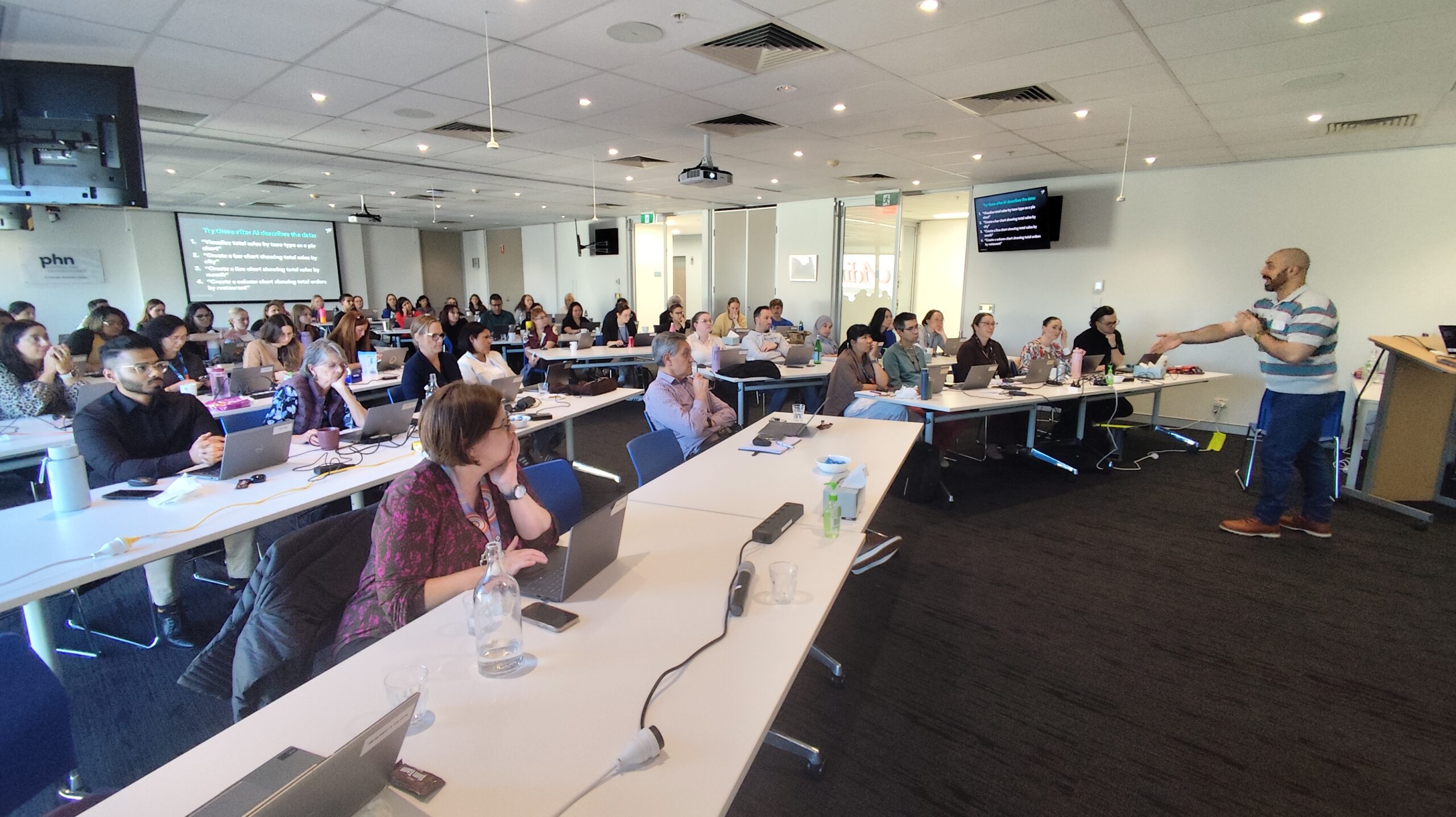
- Making a significant investment in building workforce capability through organisation-wide training in Artificial Intelligence (AI).
- Supporting leadership development, with seven managers completing targeted management and leadership training.
- Ensuring all managers completed Inclusive Leadership training to help create a more inclusive and supportive workplace.
- Training 13 staff members in Mental Health First Aid to strengthen awareness, confidence and support for mental health in the workplace.
- Supporting a staff member to complete a Certificate IV in Training and Assessment.
- Continuing to support flexible work arrangements, helping staff balance work and personal commitments.
- Promoting employee wellbeing through access to our Employee Assistance Program (EAP) and Fitness Passport membership.
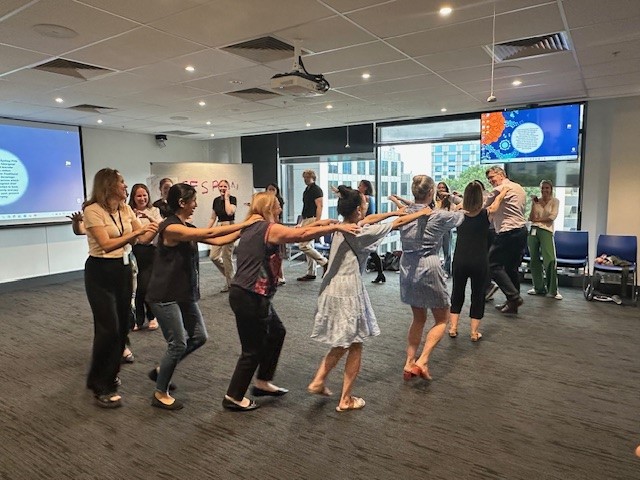
- Celebrating staff contributions through our biannual peer-nominated Staff Awards, recognising excellence in Innovation, Inclusion & Equity, and Collaboration.
- Progressing our Diversity, Equity and Inclusion initiatives, including our Reconciliation Action Plan, Disability Inclusion Action Plan, while providing multicultural competency training to the majority of staff.
115
staff
78
full time staff
37
part time staff
100
of staff work flexibly
5
promoted in last 12 months period
9
secondments in last 12 months period
Our people - RAP
CESPHN’s Reconciliation Action Plan (RAP) guides our commitment to strengthening relationships, respect, opportunities and governance with Aboriginal and Torres Strait Islander peoples, communities and organisations. Throughout 2025-26, CESPHN continued implementing actions under its third Innovate RAP while developing its first Stretch RAP.
The RAP supports culturally safe workplaces, stronger partnerships with community, workforce development, and improved access to culturally appropriate health and wellbeing services. Aboriginal leadership and community engagement remain central to this work, ensuring reconciliation is embedded across CESPHN’s operations and long-term planning.
During 2025-26, CESPHN completed 81 of 87 actions under its Innovate Reconciliation Action Plan, demonstrating sustained organisational commitment to reconciliation and continuous improvement. Development of CESPHN’s first Stretch RAP also progressed, with consultation undertaken through the Aboriginal Advisory Committee and review by Reconciliation Australia.
CESPHN strengthened relationships with local Aboriginal communities through participation in community-led wellbeing events, yarning circles, National Reconciliation Week activities and NAIDOC Week celebrations. These activities created opportunities to share information about health, wellbeing and support services while building meaningful community connections.
Building workforce capability remains a key focus. CESPHN delivered cultural awareness training for staff, general practice teams and commissioned service providers. Feedback from participants was overwhelmingly positive, with all participants indicating they would recommend the training. Additional cultural learning opportunities were provided through Aboriginal-led training, Elder-led sessions and online cultural capability programs.
As part of National Reconciliation Week 2026, CESPHN hosted a Babana Aboriginal Men’s Yarning Circle. Participants highlighted the culturally welcoming environment, with one attendee describing CESPHN’s approach to incorporating Aboriginal language, artwork and room naming as leading practice and an example they hoped to replicate within their own organisation.
81
of 87 Innovate RAP actions completed.
5
additional actions well underway.
60
participants attended cultural awareness training delivered to external stakeholders.
100
percent of participants would recommend CESPHN cultural awareness training.
29
CESPHN staff completed internal cultural awareness training (Level 1 and Level 2).
46
commissioned mental health providers received cultural capability training licenses during the reporting period.
CESPHN’s inaugural Stretch RAP was developed.
Aboriginal Workers Circle now expanded from bi-monthly to monthly meetings.
Our people - LGBTIQA+
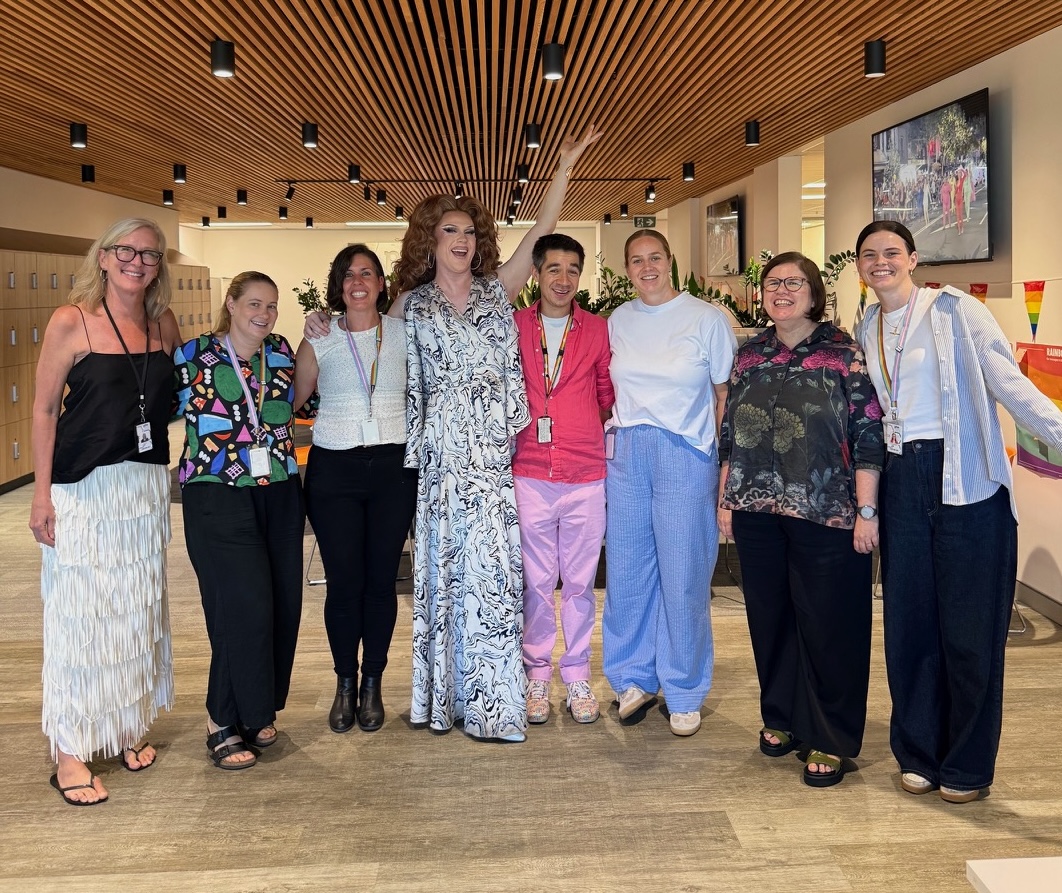
The LGBTIQA+ Working Group supports CESPHN to improve access to inclusive, respectful and responsive healthcare for LGBTIQA+ communities across central and eastern Sydney.
The group builds staff capability to better understand LGBTIQA+ health needs, recognise barriers to care and support services that are safe, culturally appropriate, and free from stigma and discrimination.
This work aims to strengthen inclusive practice and help ensure LGBTIQA+ people feel respected, supported, and able to access the health services they need.
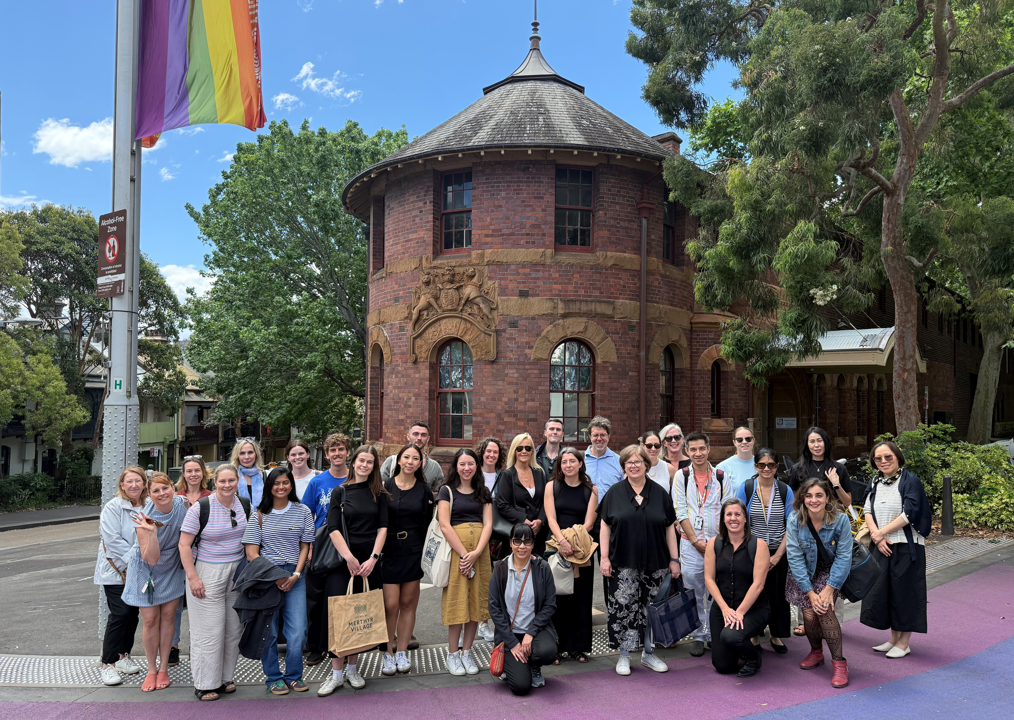
Achievements in the past 12 months
The Central and Eastern Sydney PHN region has a high number of same sex couples living together (n=11,382), representing 14.5% of same sex couples living together in Australia. By comparison, this region comprises 6% of the total Australian population.
LGBTIQ+ people experience higher levels of mental distress and poor mental health.
LGBTIQ+ people drink more alcohol and use illegal drugs at higher levels than non-LGBTIQ+ people.
Can have higher instances of sexually transmitted diseases, though PReP use remains high amongst gay men.
LGBTIQ+ people experience higher levels of mental distress and poor mental health.
LGBTIQ+ people drink more alcohol and use illegal drugs at higher levels than non-LGBTIQ+ people.
Our people - DIAP
CESPHN’s Disability Inclusion Action Plan (DIAP) 2024-2027 guides the organisation’s commitment to creating an inclusive, accessible and supportive workplace for people with disability. The plan focuses on improving workforce capability, strengthening accessibility, supporting equitable employment practices and embedding disability inclusion across organisational systems and processes. During 2025-26, CESPHN continued implementing initiatives across recruitment, onboarding, workplace adjustments, staff development, accessibility and workplace culture. This work supports an environment where all staff can participate, contribute and access the support they need to thrive at work.
During 2025-26, CESPHN continued to embed disability inclusion across workplace systems, processes and culture through implementation of the Disability Inclusion Action Plan.
A key focus was building workforce capability. Disability awareness training was delivered to staff, while managers participated in dedicated training on disability in the workplace, workplace adjustments and inclusive conversations. Additional specialist training pathways were also established to support staff where specific needs arise.
Recruitment and onboarding practices were strengthened through the review of position descriptions, disability-inclusive recruitment messaging and the inclusion of disability support information within orientation materials.
CESPHN also progressed development of a workplace adjustments framework to support staff and managers in identifying and implementing appropriate workplace supports. This work has been informed by universal design principles, recognising that accessible systems and environments benefit everyone and can reduce the need for individual adjustments by building accessibility into workplace practices from the outset.
Accessibility improvements were incorporated into website redevelopment activities, and disability inclusion resources were made more visible to staff through organisational systems and information platforms. Personal Emergency Evacuation Planning processes were also strengthened to support staff who may require assistance during emergencies.
Together, these initiatives have helped strengthen CESPHN’s capacity to provide an accessible, inclusive and supportive workplace for all staff.
Disability awareness training was delivered to staff as part of CESPHN’s commitment to fostering an inclusive workplace. Feedback highlighted increased confidence in discussing disability, greater awareness of workplace inclusion and a stronger understanding of how reasonable adjustments can support participation at work. The training was positively received by managers and disability contact officers.
21
of 36 DIAP Actions completed.
15
additional actions ongoing or underway.
86%
participants reported high positive experience of service.
15
managers, and 4 Disability Contact officers attended additional disability inclusive leadership training.