
On this page:
Commissioned integration initiatives
Antenatal Shared Care
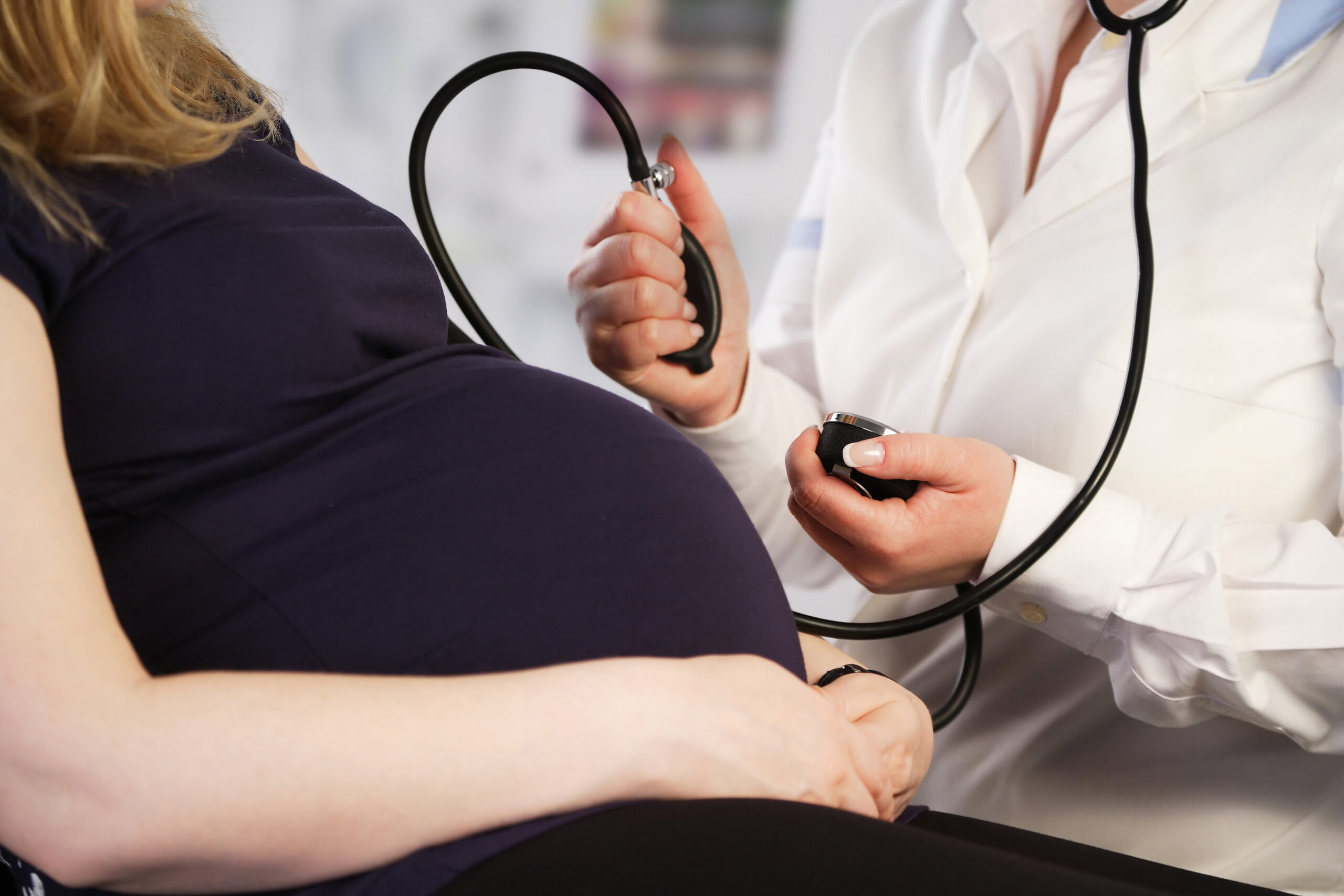
The General Practice Antenatal Shared Care program supports integrated pregnancy care between GPs and hospital-based maternity teams across central and eastern Sydney. The program strengthens GP capability, improves collaboration between primary care and hospital services, and supports culturally responsive care for families throughout pregnancy.
633
GPs participating in the antenatal shared care program.
577
GP attendances across 15 CESPHN-run education events.
During 2025-26, CESPHN continued to strengthen the antenatal shared care model through regional coordination, stakeholder engagement and consistent governance. Education and training activities were aligned across hospital sites to support a more consistent approach to general practitioner education and support.
CESPHN continued to work with antenatal shared care advisory committees, local health districts, hospitals and community partners to improve referral pathways and support timely access to care. This included promoting electronic referrals as the preferred pathway to hospital maternity services and encouraging timely first trimester visits and screening.
Governance documents, clinical protocols and memoranda of understanding were also refined to support consistent service delivery and clearer collaboration between primary care and hospital teams.
Mental health shared care
The GP Mental Health Shared Care program is a partnership between CESPHN, Sydney Local Health District, South Eastern Sydney Local Health District and St Vincent’s Health Network. The program connects general practice, specialist mental health services and community supports to provide more coordinated care for people living with severe and complex mental health challenges.
Dedicated Shared Care Mental Health Clinicians work closely with GPs and other health professionals to improve communication, care planning and service coordination, helping people receive the right care at the right time. A key focus of the program is improving physical health and wellbeing for people living with severe mental illness, who often experience poorer physical health outcomes and greater barriers to accessing healthcare.

Over the past year, the Shared Care program has achieved significant progress in strengthening both service quality and collaboration across the region. CESPHN worked with partners to align service delivery approaches, processes and reporting across the three Shared Care programs, creating greater consistency while maintaining a strong focus on improving physical health outcomes.
To support earlier identification of health concerns, annual physical health check targets were introduced across the program, encouraging routine screening and proactive follow-up care. CESPHN also promoted the use of the redesigned Neami Health Prompt, a practical tool that helps clinicians and support workers to have conversations with consumers to identify physical health concerns and support more informed GP consultations.
A new Shared Care Community of Practice was established, bringing together representatives from partner organisations to share successful approaches, address challenges and identify opportunities for service improvement. This has strengthened collaboration and helped drive a more consistent approach to care across the region.
CESPHN also commenced development of a GP Collaborative Support Model to increase GP engagement and strengthen connections between primary care and specialist mental health services. In recognition of this work, CESPHN presented at the 2025 Equally Well Conference, showcasing achievements from the Shared Care Redesign and sharing lessons learned with a national audience. This provided an important opportunity to highlight local innovation and contribute to broader efforts to improve the physical health of people living with severe mental illness.
836
consumers.
4,332
occasions of service.
65
consumers supported to have an annual physical health check.
GP Liaison in Alcohol and other Drugs (GLAD)
The GP Liaison in Alcohol and Other Drugs (GLAD) program supports collaboration between GPs and specialist alcohol and other drug services to improve access to coordinated, patient-centred care. Funded by CESPHN, the program is delivered through Clinical Nurse Consultants employed by South Eastern Sydney Local Health District, Sydney Local Health District and St Vincent’s Health Network. The consultants provide education, training, and liaison support to GPs, helping strengthen shared care arrangements. GLAD aims to increase GP involvement in the management of alcohol and other drug concerns while building specialist service capacity to work collaboratively with primary care.
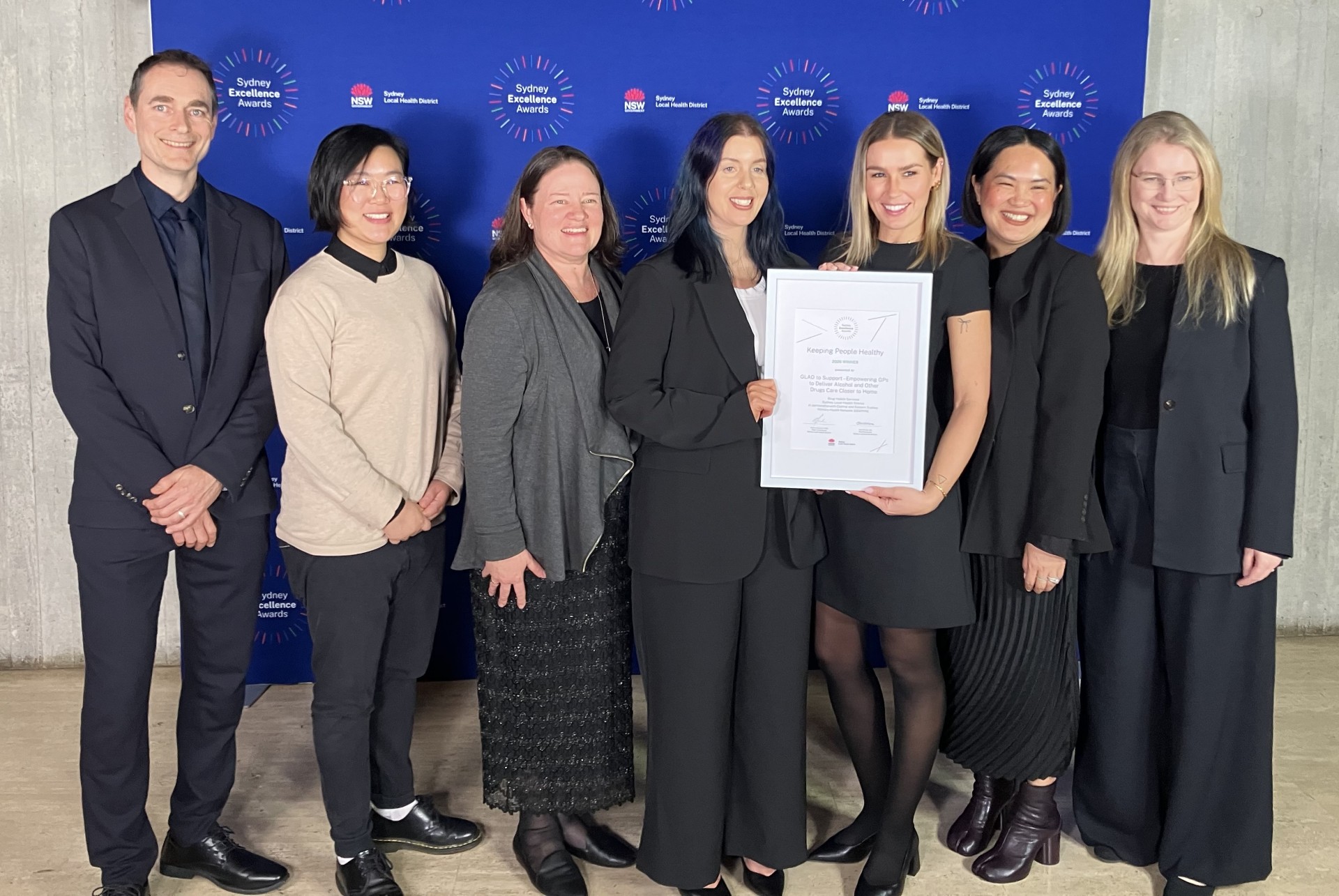
A significant achievement for the GLAD program was the Sydney Local Health District GLAD team winning a Sydney Excellence Award in the Keeping People Healthy category. The award recognised the program’s innovative approach to strengthening collaboration between general practice and specialist alcohol and other drug services, enabling more people to access timely care within their local community.
The award acknowledged GLAD’s success in building stronger connections between primary care, specialist services and commissioned partners to create a more coordinated and patient-centred system of care. Through clinical liaison, shared care arrangements, education and specialist advice, the program supports general practitioners to confidently manage alcohol and other drug concerns while maintaining access to specialist expertise when needed.
Over the past year, GLAD continued to strengthen referral pathways, improve communication between services and support seamless transitions between primary and specialist care. By helping people receive treatment closer to home, the program has reduced barriers to care and enhanced access to coordinated support. The award provides recognition of the strong partnership between Central and Eastern Sydney PHN, Sydney Local Health District, South Eastern Sydney Local Health District and St Vincent’s Health Network, and the positive impact of integrated alcohol and other drug care across the region.
1,257
Occasions of service.
470
Referrals from/consults with GPs.
”A referral for alcohol withdrawal support provided an opportunity to identify broader factors influencing a client's substance use, including chemsex and an emerging LGBTIQA+ identity. Through harm-reduction support and care coordination, the client was connected with an inclusive primary care provider and specialist peer support and counselling services, strengthening access to ongoing health and wellbeing support.
DFSV Assist
DFSV Assist and DFSV Health Assist support improved healthcare responses for people affected by domestic, family and sexual violence. DFSV Assist helps primary care providers recognise and respond to violence and abuse through training, specialist advice and referral support. DFSV Health Assist provides healthcare within women’s refuges through nurse practitioner-led clinics and brokerage support, with a focus on women and children who may face additional barriers to care.
During 2025-26, DFSV Assist delivered 36 training sessions to 405 participants, including general practitioners, nurses, psychologists, allied health professionals and practice staff. The program strengthened workforce capability to recognise and respond to domestic, family and sexual violence, sexual violence and child sexual abuse.
DFSV navigators provided 55 consultations, offering confidential advice, referral support, safety planning and resources. This strengthened links between primary care and specialist services and gave providers practical support when responding to patients experiencing violence and abuse.
DFSV Health Assist clinics commenced in September 2025 and are now delivered across four refuges in the region. Through nurse practitioner-led clinics and interdisciplinary health days, the program improved access to healthcare for women and children experiencing domestic and family violence.
To date, 33 women and 23 children have accessed care through the refuge-based service.
Funding for both DFSV Assist and DFSV Health Assist has been extended by the Commonwealth Department of Health, Disability and Ageing to June 2028.
36
training sessions delivered to 405 participants.
55
navigator consultations provided.
4
refuges now delivering DFSV Health Assist clinics.
33
women and 23 children accessed refuge-based healthcare.
”Having local support staff so easily available has been incredibly beneficial to my knowledge of how to manage clients and has had a positive impact on client outcomes.
Primary Care Provider
ADHD project
The attention deficit hyperactivity disorder shared care pathway supports integrated care for children and young people and their families. Delivered with Sydney Local Health District Community Paediatric Services, the pathway enables GPs and pediatricians to work together on ongoing care, including medication monitoring and review.

During 2025-26, CESPHN and Sydney Local Health District Community Paediatric Services implemented the shared care pathway to support greater general practitioner involvement in the care of children and young people with attention deficit hyperactivity disorder.
As at June 2026, 55 children and young people had transitioned to shared care arrangements involving 48 general practitioners. Documented shared care plans have been embedded as standard practice, supporting continuity of care and clearer roles between paediatric and primary care providers.
GP engagement included a CPD lunch and learn attended by 31 participants, monthly Q&A sessions and targeted in-practice education delivered to six practices. The model has received district and state recognition and has been accepted for presentation at national conferences, enabling learnings to be shared more broadly.
55
children and young people transitioned to shared care.
48
GPs involved in shared care arrangements.
31
participants attended a continuing professional development session.
6
practices delivered targeted in-practice education.